Put the decision-making details first
Give a renter the specific cottage name, location, bedrooms, actual beds, guest limit, and a dated rate or clear quote process near the start of your listing. A guest should be able to tell whether the cottage fits their group before opening the full description.
For example: “Two-bedroom North Truro cottage with a queen, two twins, a private screened porch, and weekly summer stays.” Adapt the details to your property. Specifics tell guests more than “charming,” “perfect” or “hidden gem.”
State whether you are describing one unit or several. Use the same name and unit number across your owner website, rental platforms, and directory entry so guests can recognize the property.
Photograph the questions a guest would ask
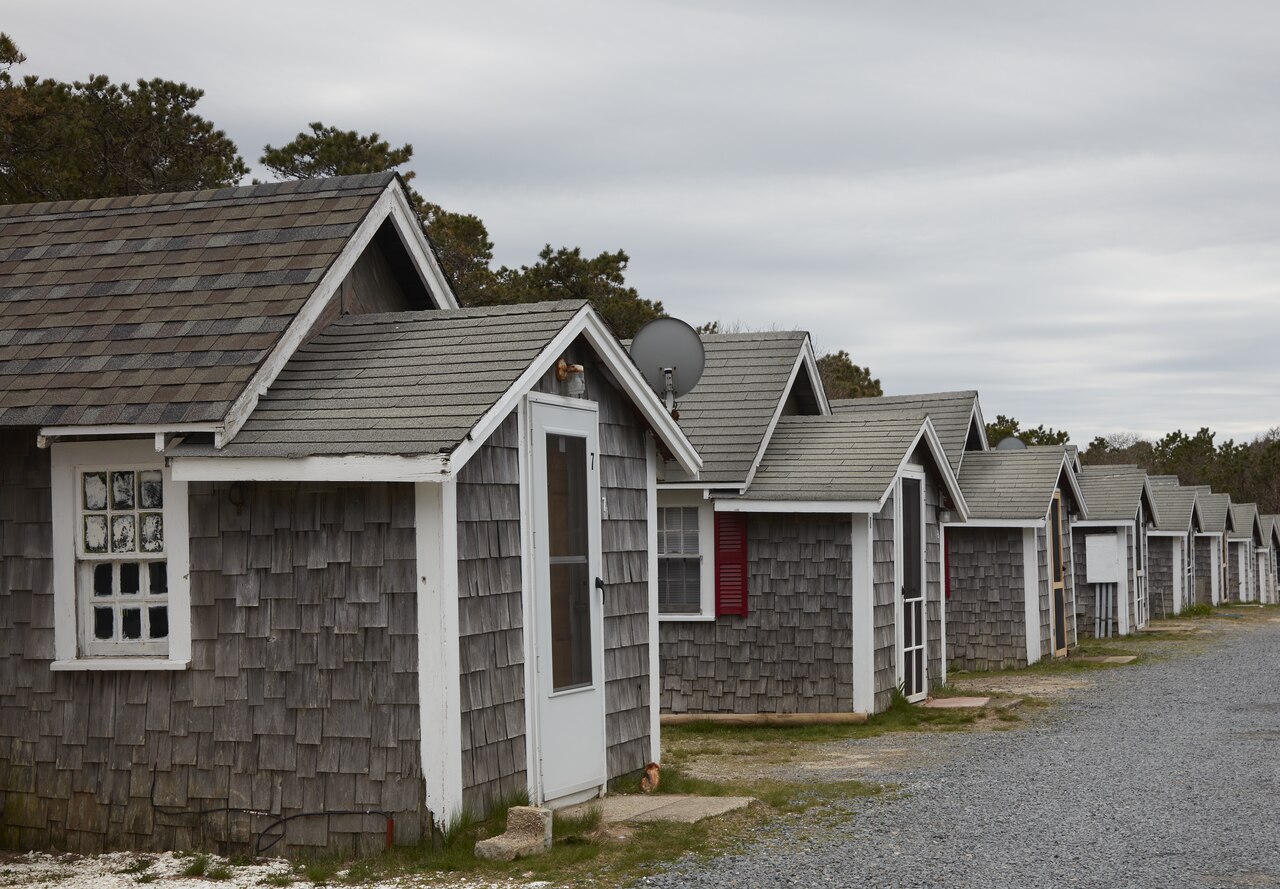
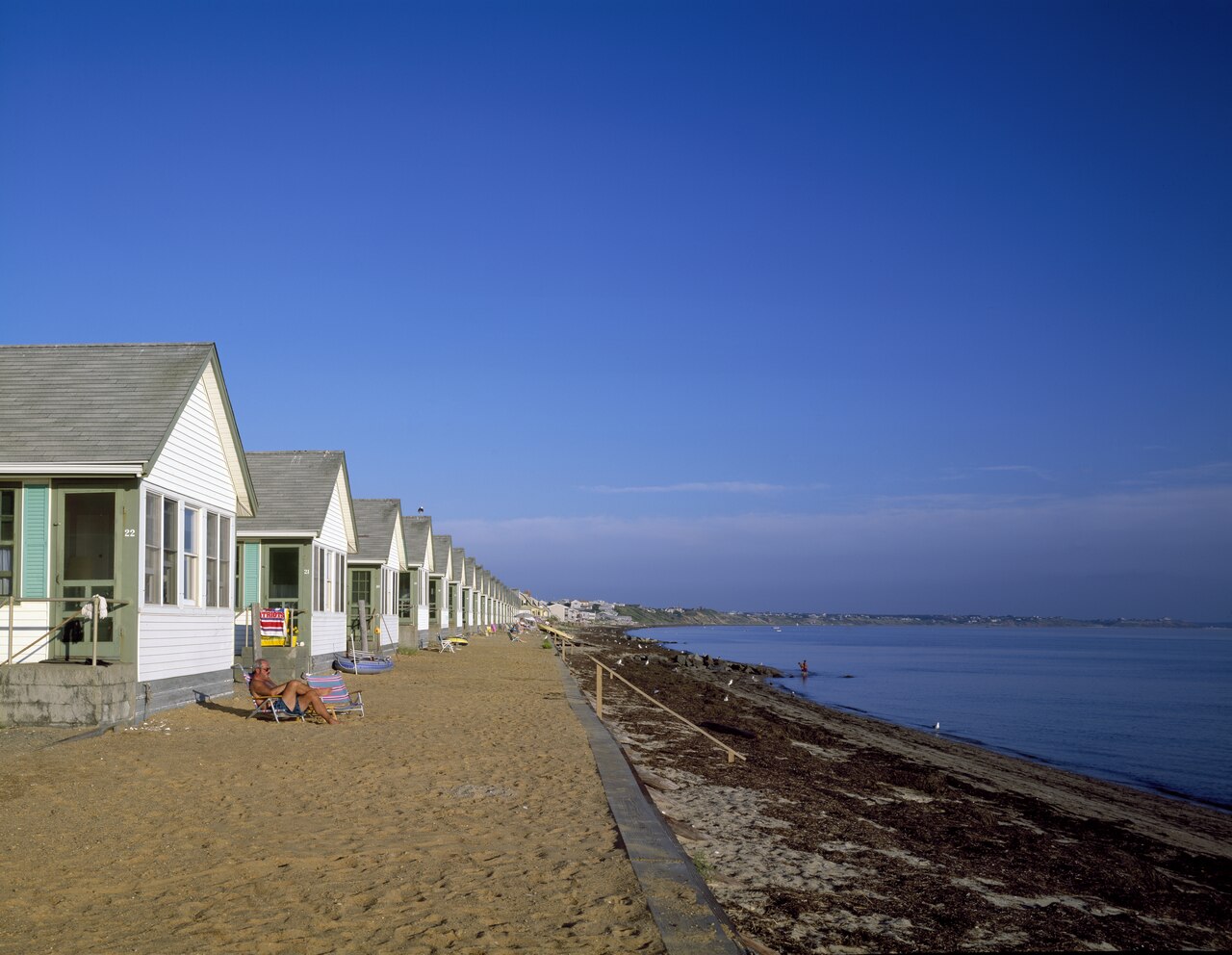
Show the spaces a guest will use, including their limitations. A beach photo can establish the area, but it should not substitute for the cottage itself or suggest a view the cottage does not have.
- Exterior and entrance so guests understand the building and setting.
- Living room showing seating and its relationship to the kitchen.
- Every bedroom with the bed arrangement visible.
- Bathroom and shower, not just decorative details.
- Kitchen showing the appliances and usable work space.
- Porch, deck, or outdoor seating, including whether it is shared.
- Parking and any steps on the arrival route when these help explain access.
- Outdoor shower or laundry if advertised; distinguish shared facilities.
Label off-property images and identify the actual unit in a cottage community. Use photographs you own or have permission to publish. Replace outdated images after substantial changes; do not digitally add an amenity or remove a material limitation.
Replace yes-or-no amenities with useful detail
Explain the version of an amenity your cottage actually offers. “Air conditioning” does not say which rooms are cooled; “laundry” does not say whether it is inside the cottage or in a shared building.
- Sleeping and bathing: bed sizes, bathroom count and supplied linens.
- Everyday equipment: Wi-Fi, cooling, heating, kitchen appliances and laundry location.
- Outside: parking and whether the outdoor shower has hot water, an enclosure and seasonal availability.
- Pets: permission and any limits that must be agreed before booking.
For beach access, state the actual route and any stairs, road crossing, or permission arrangements. Avoid “private beach” unless you can substantiate the right you are offering. A nearby beach and a right to use a particular access path are different things.
Make the rate understandable without an inquiry
Attach dates or a season and year to each advertised rate, state the unit, and explain mandatory charges. If prices vary, show the applicable periods or direct guests to the current calendar rather than a context-free “from” price.
Keep a weekly price separate from a monthly offer. Tell guests the minimum stay, changeover requirements if any, and where to get the final total. Summarize payment and cancellation terms consistently with your actual booking agreement.
Use our weekly price guide as a view of advertised offers, not proof of what competitors earn. Compare similar bed layouts, dates, location, and amenities. Our dataset does not establish booked rates, occupancy, or the revenue uplift from adding a particular appliance.
Prepare the information guests need after booking
Give guests a short property-specific arrival note, then link to area guidance where it saves you repeating yourself. Keep private instructions separate from your public listing.
Your private note should cover entry, parking, contact arrangements, Wi-Fi, supplied essentials, trash and recycling, and checkout. Our arrival checklist and Local Tips can support the area-planning side, but they cannot replace your house instructions.
Review your links and listing after changing beds, amenities, pricing periods, or your preferred booking channel. A clear record is more useful than an old description with a new photograph.
Help us describe your cottage accurately
Use the listing correction instructions for an existing entry or suggest your cottage for inclusion. Include its public listing URL, specific unit name, the detail to check, and a supporting source. Do not send entry codes, guest information, identity documents, or payment details.
We link visitors to existing hosts and booking sites, so you can keep your current booking process. Suggestions and corrections are reviewed by email; self-service owner accounts and paid listing packages are not available.